Architecture Beyond the Walls of the Home
On the Main Line, outdoor living has evolved into something far more considered than a patio with furniture. For many homeowners in Villanova, Wayne, Bryn Mawr, Gladwyne, Haverford, Devon, and Berwyn, the landscape is an extension of the home itself — a place for dining, entertaining, gathering, retreating, and enjoying the property in a more complete way.
The most successful outdoor spaces rarely happen by accident. They are shaped by structure.
Pergolas, pavilions, covered outdoor kitchens, greenhouses, garden structures, and auxiliary buildings do more than provide shelter. They establish scale, create destinations, and give outdoor spaces a sense of permanence. Without structure, even a beautiful landscape can feel open-ended. With it, the property begins to feel composed, intentional, and deeply connected to the architecture of the home.
A thoughtfully designed outdoor structure acts almost like a room without walls. It frames views, defines how a space is used, and creates a natural place for people to gather. It can anchor a pool terrace, soften the transition between house and garden, or turn an underused corner of the property into a destination.
For Main Line homes, where architectural character and mature landscapes often define the property, this level of integration is especially important. A structure should never feel added on. It should feel as if it belongs.
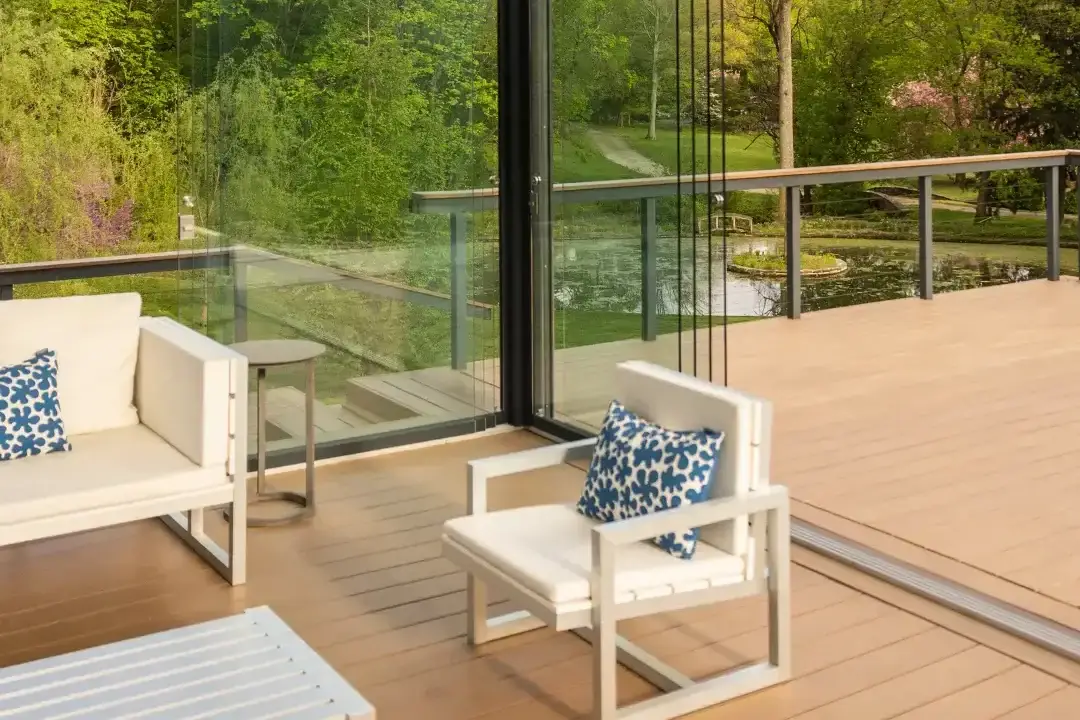
Creating Outdoor Rooms That Feel Intentional
Inside a home, architecture naturally guides experience. A dining room suggests gathering. A living room invites conversation. A kitchen becomes a center of activity. Outdoors, structures perform a similar role.
A covered pavilion can create a defined space for summer dinners and evening entertaining. A louvered pergola can make a terrace more comfortable throughout the day, offering shade while preserving an open-air feeling. A garden structure can become a visual destination, drawing the eye through the landscape and adding depth to the property. A covered outdoor kitchen can transform cooking outside from an occasional convenience into a true extension of daily living.
The value of these structures is not only practical. They bring order and rhythm to the landscape. They help determine where people pause, where they gather, and how they move from one outdoor space to the next.
This is particularly important on larger Main Line properties, where open lawn, gardens, terraces, and wooded edges can feel disconnected without a clear design framework. A well-placed structure creates a moment of arrival. It gives the landscape a focal point and turns outdoor space into livable space.
The best outdoor structures are not designed in isolation. They respond to the home’s architecture, the surrounding plantings, the existing grades, the views, the sun exposure, and the way the homeowners want to use the property. Every decision — from placement to material selection — affects whether the final result feels natural or forced.
A Seamless Connection Between Home and Landscape
A successful outdoor structure should feel connected to both the house and the land.
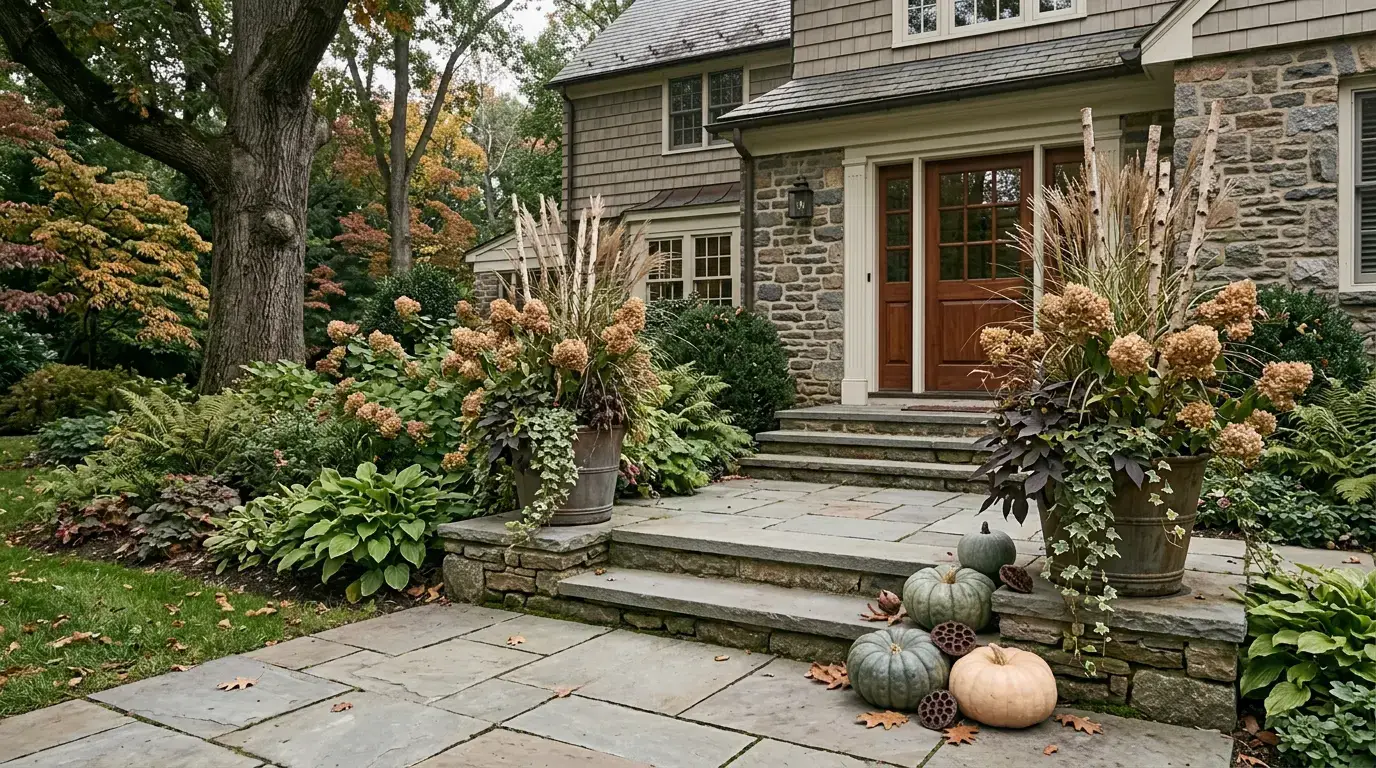
On the Main Line, where many homes feature stone facades, traditional rooflines, historic details, or carefully proportioned additions, the design of an outdoor structure requires restraint and sensitivity. Scale matters. Materials matter. Sightlines matter. A pergola that feels too slight may disappear against the architecture. A pavilion that feels too heavy may overwhelm the garden. The goal is balance.
The structure should complement the home without copying it too literally. It should feel refined, durable, and appropriate to the setting. Rooflines, columns, beams, finishes, stonework, and surrounding plantings all contribute to whether the space feels cohesive.
This is where outdoor structures become more than amenities. They become architectural elements.
A covered outdoor living space can make the transition from interior to exterior feel effortless. A pavilion near a pool can create a sense of resort-like comfort without feeling disconnected from the home. A greenhouse or garden structure can introduce charm and purpose while reinforcing the landscape’s character. Even a shed or auxiliary building, when thoughtfully designed, can support the property’s function without detracting from its beauty.
When handled well, structure brings clarity to the landscape. It allows the home and outdoor environment to speak the same design language.
Defining the Outdoor Experience
Exceptional outdoor living is not created by individual features alone. It is created by the way those features work together.
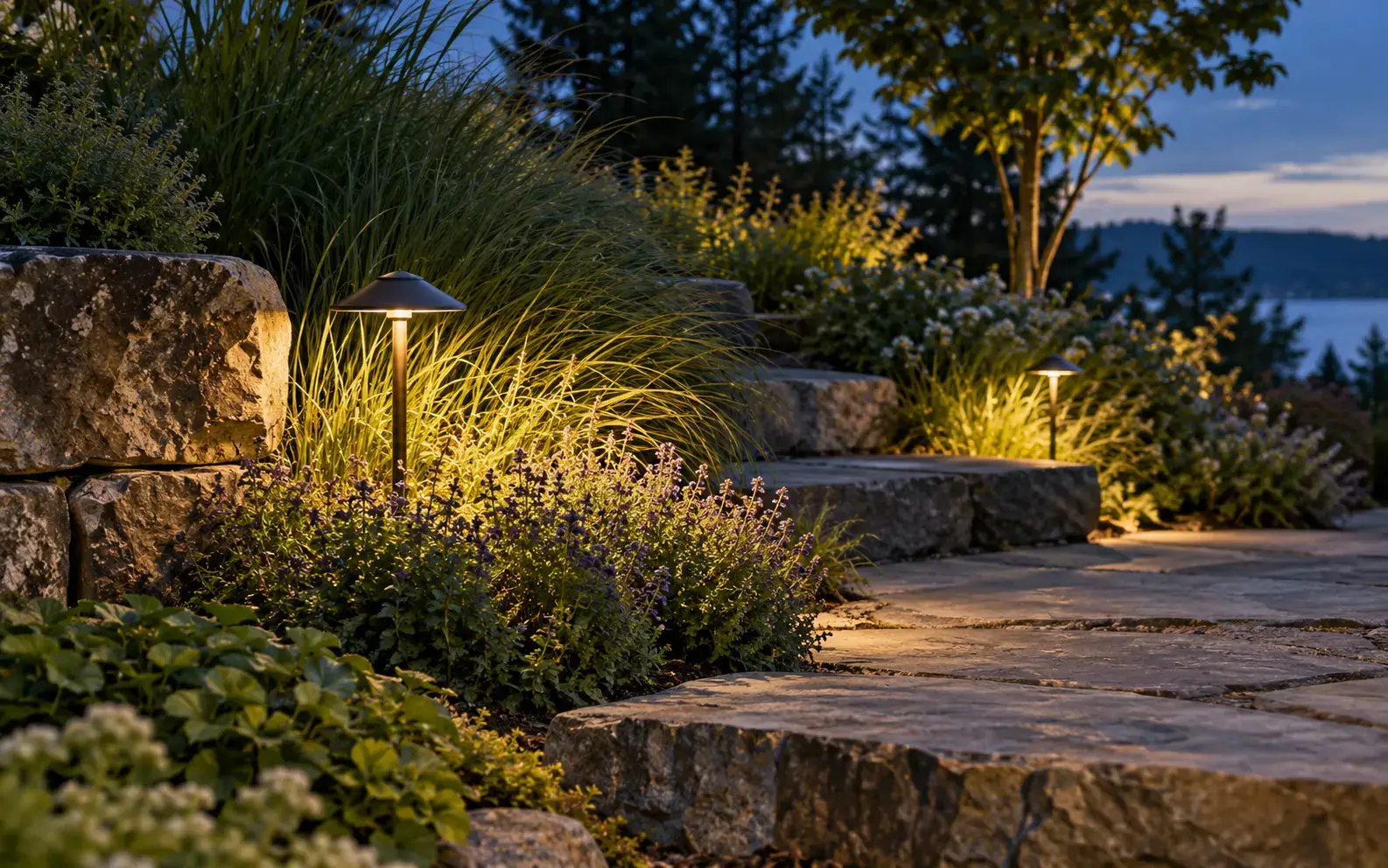
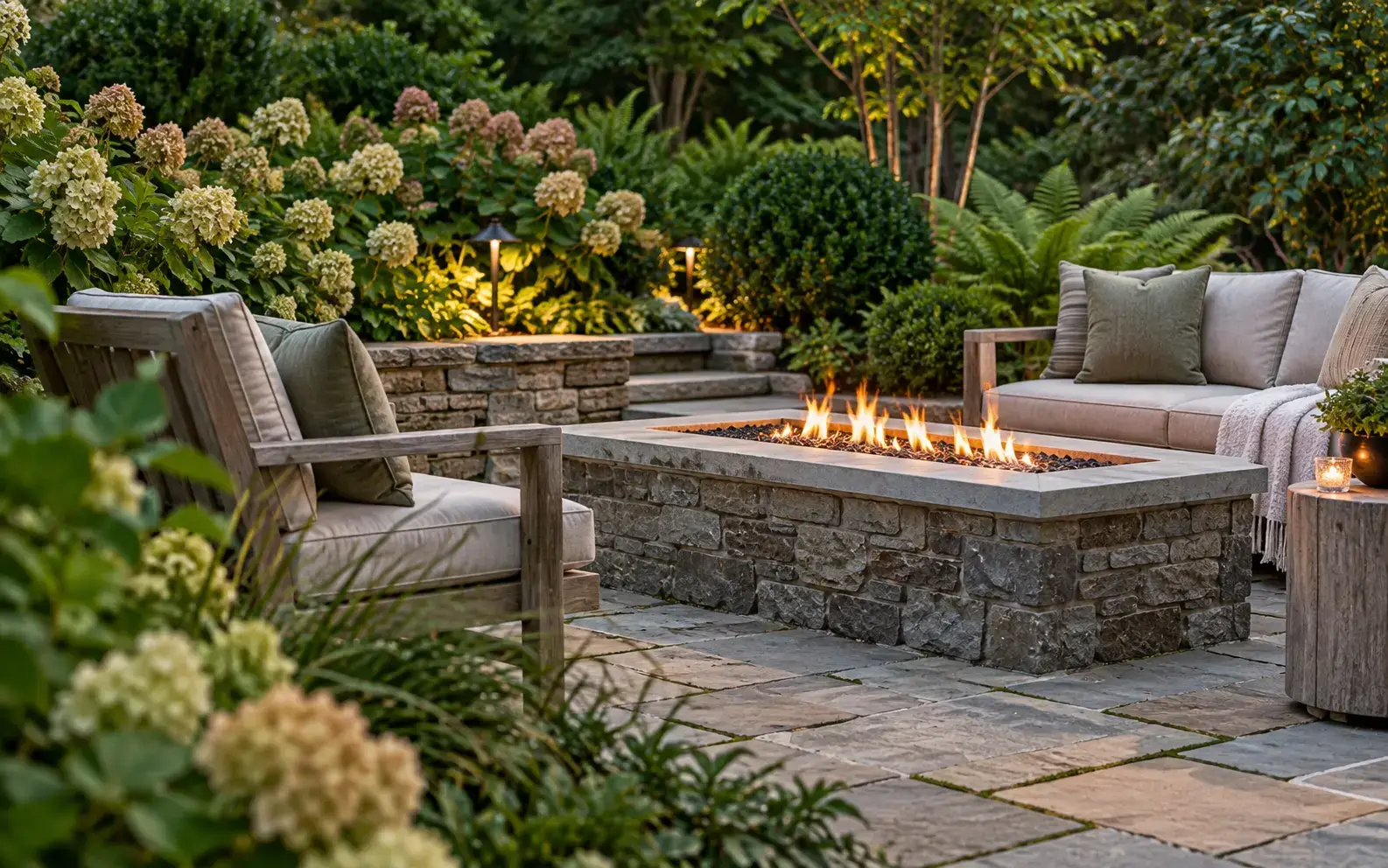
A structure can frame the dining area. Lighting can extend the experience into the evening. Furniture can bring comfort and purpose. Plantings can soften the architecture and connect the space to the landscape. When these layers are considered together, the result feels complete.
At Terren Landscapes, outdoor structures are approached as permanent design elements, planned in relation to the home, the landscape, and the way each space will be used. From luxury louvered pergolas and pavilions to garden structures and covered outdoor kitchens, the goal is to create outdoor environments that feel intentional, balanced, and built to last.
Because the most memorable outdoor spaces are not just decorated. They are defined.